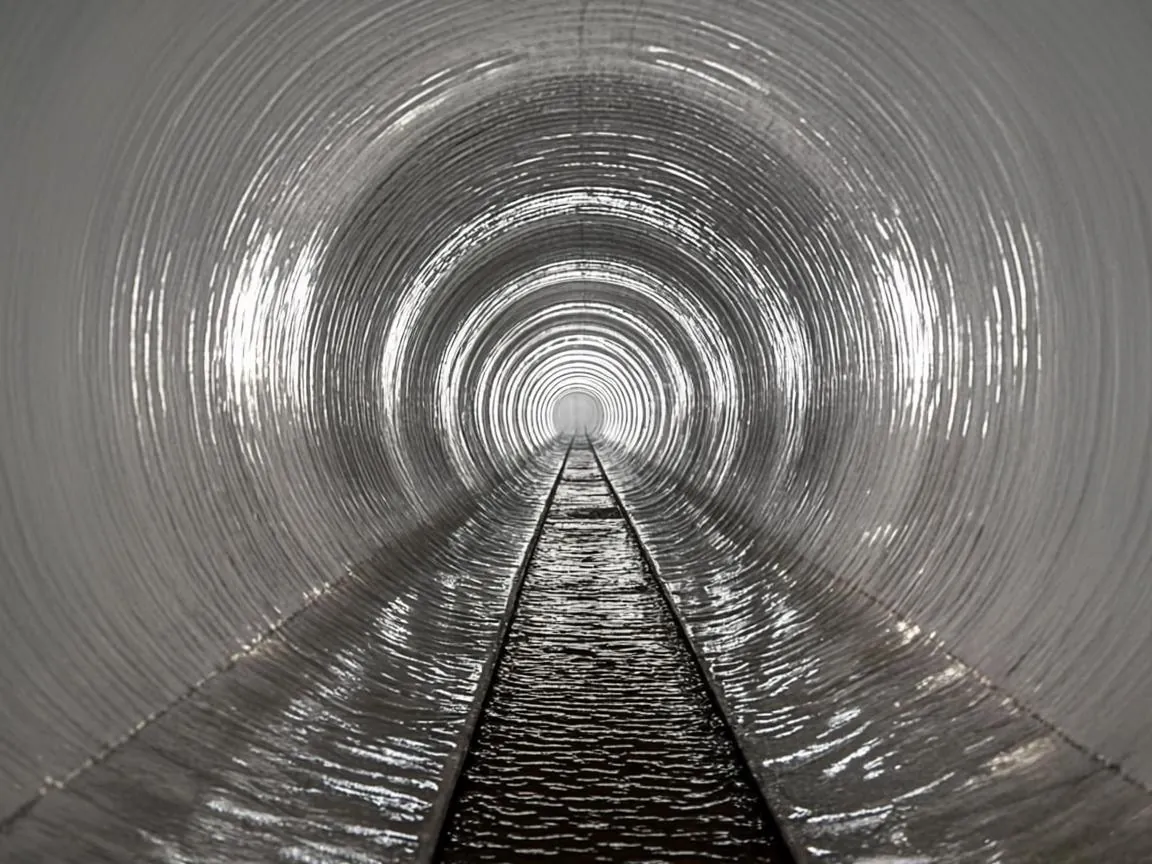
Here is the sentence that saves North Shore homeowners the most money in a bad scope report: not every damaged lateral needs a whole new liner. A sixty-foot pipe with one crushed joint does not have a sixty-foot problem — it has a three-foot problem in an otherwise sound pipe. Sectional point repair exists exactly for that situation, and knowing when it applies versus when the full lining is the honest answer is the difference between a fair quote and an oversized one.
What a Sectional Point Repair Actually Is
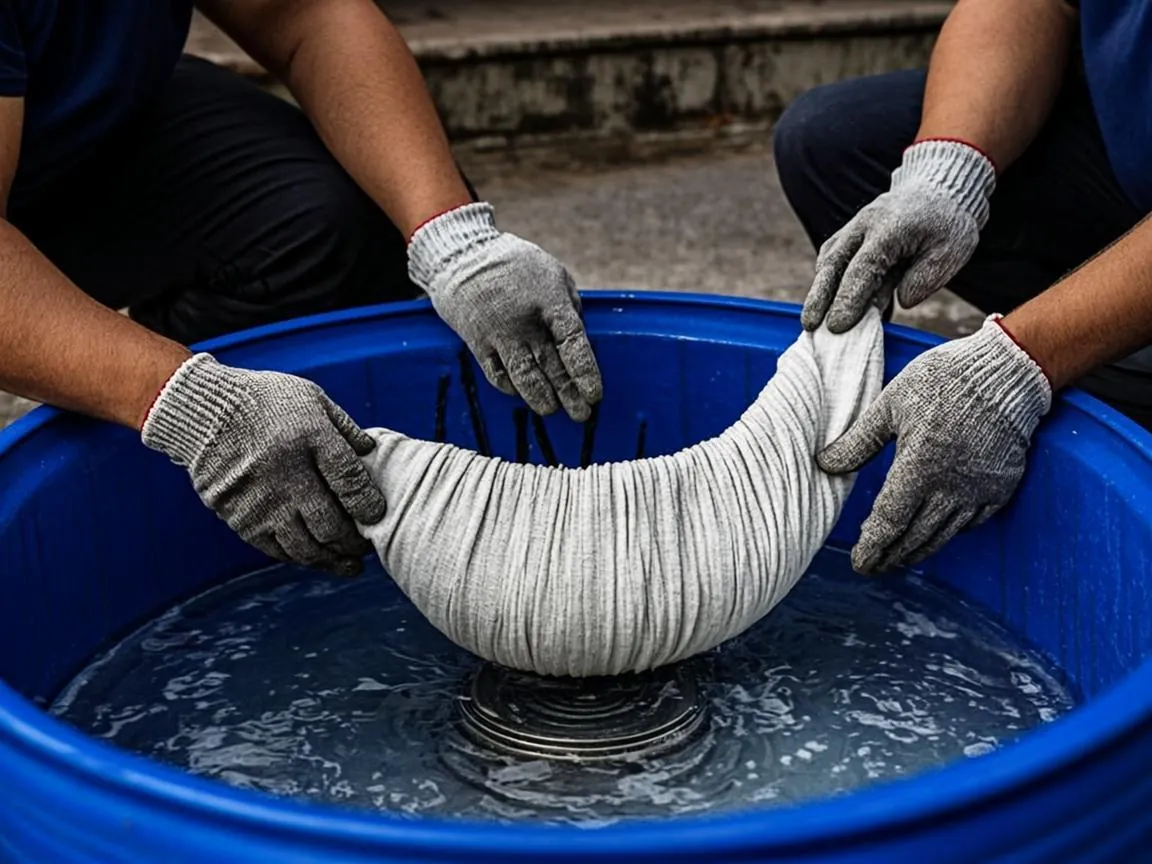
A point repair — sometimes called a sectional repair or patch — is a short cured-in-place sleeve, typically one to three meters long, made of the same fiberglass-and-epoxy system as a full liner. The saturated sleeve is folded onto a calibrated packer, positioned in the pipe at the exact defect station using the camera footage for reference, then inflated. The bladder presses the epoxy sleeve against the host pipe wall where it cures into a rigid, jointless section of new pipe — structurally rated, root-tight, and watertight. The whole installation happens through existing cleanouts or a single small access excavation, and the curing can be ambient, hot-water, or steam depending on the resin system.
When Spot Repair Is the Right Call
- One or two isolated defects. A single cracked joint, one intrusion point, or a short fracture with sound pipe on both sides — the textbook case.
- The rest of the line verified healthy. Camera footage shows clean walls, working slope, and no other structural findings for the length of the run.
- Localized disaster damage. A utility strike, a crushed section under one driveway wheel path, or a single joint the frost heave opened.
- Budget-sensitive scopes. When the defect list is short, paying for sixty feet of liner to fix six feet of pipe is simply bad math.
When Full Lining Wins Instead
The economics flip as the defect count climbs. Continuous root intrusion through joint after joint means the failure mode is the joints themselves — a full cured-in-place liner eliminates every one of them in a single installation, which is why our root treatment workflow pairs jetting with lining rather than patching one joint at a time. The same logic applies to scaled cast iron losing flow along its whole length, multiple bellies, longitudinal cracking from decades of frost heave, or any line where the camera keeps finding new problems every few feet. Four or more defects on one run is the threshold where most estimates tip from sectional work to full lining — past that point, the mobilization, reinstatement, and risk of recurring defects cost more than the extra liner material ever would.
The Cost Math in Real Numbers
Full CIPP lining in Essex County typically runs $4,000 to $9,500 depending on footage, depth, and the number of connection reinstatements. A sectional point repair on the same line usually lands at forty to sixty percent of that figure when the damage is truly isolated — the liner is shorter, the installation is faster, and fewer connections need re-cutting. What spot repair is not is a discount brand: the sleeve carries the same 50-year design life as a full liner, which our guide to CIPP lining durability explains in detail. The price difference reflects material and time, not quality.
How the Decision Gets Made on Camera
The honest process runs in one direction: camera first, quote second. The footage is reviewed defect by defect with station distances marked, then the recommendation follows a simple rule — repair what is broken, line what is failing everywhere, and replace what is beyond either. That is how our trenchless spot repair service is quoted: the bid itemizes the section length, the defect being repaired, and the verification pass afterward. If you have a scope report from a home purchase or another contractor flagging "damaged pipe" without specifics, send us the video — the distance between one bad joint and a bad line is exactly where thousands of dollars live, and the camera knows the answer.
Quick Answers
How long does a sectional point repair last?
A properly installed epoxy sectional sleeve is engineered for a 50-year service life, the same design standard as a full cured-in-place liner. The sleeve becomes a structurally sound pipe inside the old one, and the repair is only as short-lived as the rest of the line is healthy.
Can multiple spot repairs be installed in the same sewer line?
Yes. Two or three isolated defects in an otherwise sound pipe can each receive their own sectional repair. Once the defects stop being isolated — four or more failures, or continuous deterioration along the run — full lining or replacement becomes the better financial decision.
Is spot repair cheaper than lining the whole pipe?
When the damage is genuinely isolated, yes — a sectional repair often lands at forty to sixty percent of a full lining price because less liner material, installation time, and reinstatement work is involved. The savings disappear when the camera finds additional defects after mobilization.
One Bad Joint? Don't Buy a Whole New Line.
Camera-verified sectional point repairs with flat-rate quotes and a 50-year design life. Send us the scope footage and we will tell you exactly how much pipe you actually need to fix.