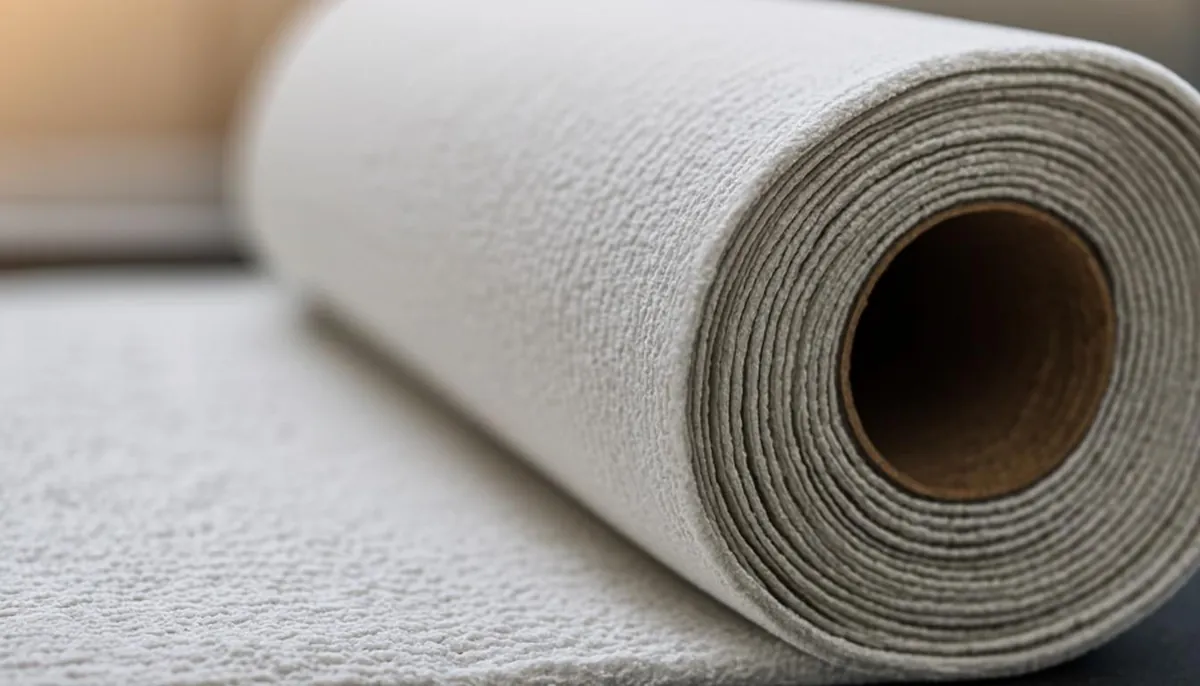
How long does a cured-in-place pipe liner actually last? It is the first question every homeowner asks about trenchless repair, and the answer is better documented than most plumbing claims: properly designed and installed CIPP carries a 50-year design life, and industry specifications are written around exactly that number. Here is what stands behind the figure and what actually shortens a liner's life.
The 50-Year Design Life, Sourced
CIPP is not a residential experiment; it is the method municipalities have used to rehabilitate city mains for decades, which means its durability has been studied in the least forgiving environment there is. NASSCO, the National Association of Sewer Service Companies, publishes the industry's specification guideline, and it requires CIPP to be designed for a life of 50 years or greater. Design life in that context means the engineered standard the cured structure must meet under load, not a marketing aspiration. Municipal engineers who specify 50-year assets do not hand that label out casually.
Why a Liner Outlasts the Pipe It Replaces
The original pipe failed for reasons the liner eliminates. Clay laterals fail at their joints, and a liner is seamless. Cast iron fails by scaling and corrosion from the inside, and epoxy does not corrode. Roots enter through cracks and joints, and the cured liner presents no opening for them. The resin system is also engineered for the environment: resistant to the mild acids wastewater generates, stable in saturated soil, and structurally load-bearing in its own right rather than merely coating the host pipe.
What Actually Shortens a Liner's Life
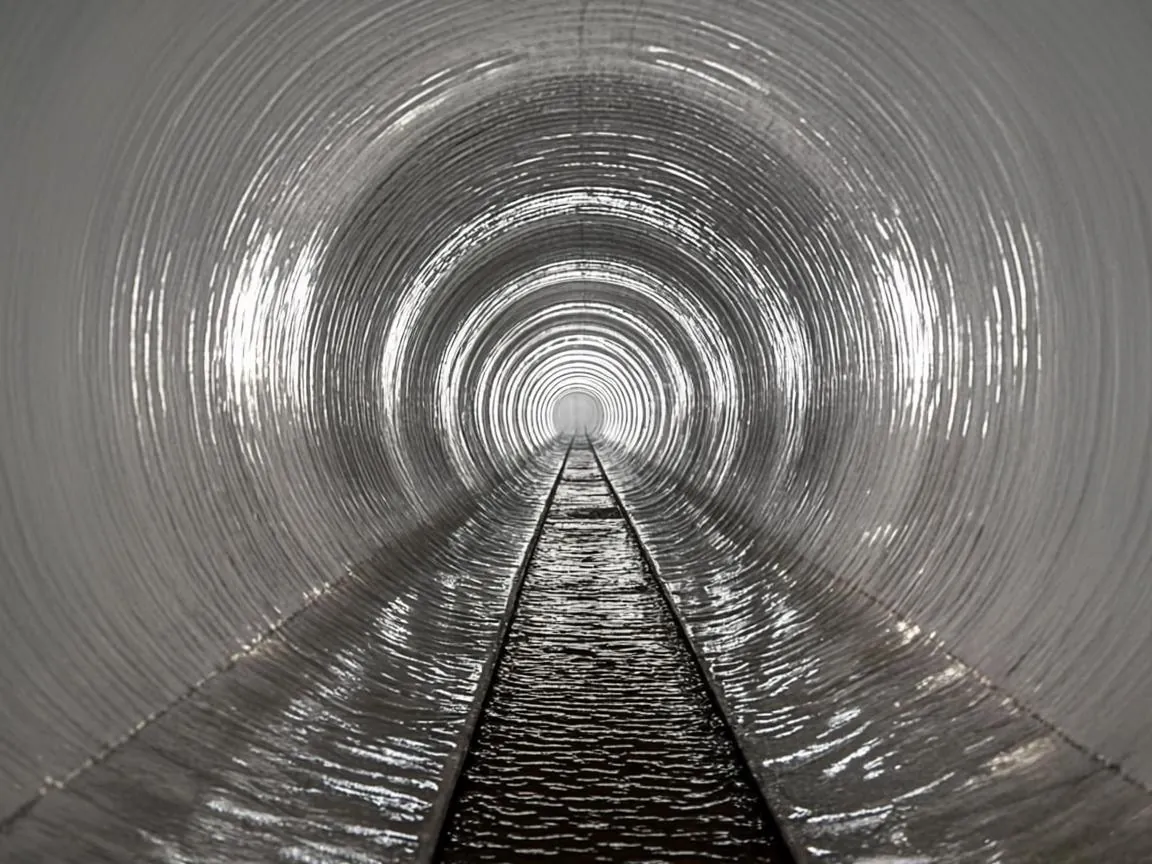
Installation quality dominates the durability equation. A liner bonded over root debris, scale, or standing water will not cure tight to the wall, and voids become the failure point long before any material limit is reached. Host pipe condition matters too: a liner following a severely distorted path carries stress concentrations a straight run never sees. And chemistry matters at the margins: aggressive industrial discharge or decades of harsh chemical cleaners are harder on any pipe, lined or not. None of these are material failures. All of them are process failures, which is why the prep sequence (jet to bare pipe, verify on camera, then cure) matters more than the brochure.
Keeping a Lined Pipe Healthy for Decades
- Mind the grease. A lined pipe flows better than the old one, which tempts kitchens into complacency. FOG still accumulates on any interior, so keep grease out of sinks regardless.
- Skip the caustic cleaners. Repeated chemical attacks are needless on a joint-free line. A jetting visit every few years handles buildup mechanically.
- Camera the line after major site work. New construction, driveway projects, or heavy vehicle loads over the run are the rare events worth verifying against the baseline.
- Keep the baseline footage. The post-install video is the reference frame for the next decade of questions. File it with the house papers.
What This Means for a Beverly Home
For a homeowner weighing a $4,000 to $9,500 lining project against a $5,000-plus excavation, the durability math favors lining twice: the liner is engineered for half a century of service, and it reaches that standard without the new-joint vulnerabilities a sectional dig replaces one problem with. If you want the specifics of how the installation sequence protects that lifespan, our trenchless sectional point repair page walks through it step by step.
Quick Answers
How long does CIPP pipe lining really last?
CIPP is specified by NASSCO's industry guideline for a design life of 50 years or greater. The cured liner is seamless and corrosion-proof, so its practical threats come from installation voids rather than material wear.
Does a lined pipe need maintenance?
Ordinary care: keep grease out of the kitchen line, avoid caustic chemical cleaners, and jet on a normal schedule if roots were historically a problem. The liner itself has no joints to seal or surfaces to corrode.
Curious Whether Your Pipe Is a Lining Candidate?
A recorded inspection answers it in an hour. If lining fits, the quote is flat-rate and the yard stays closed.