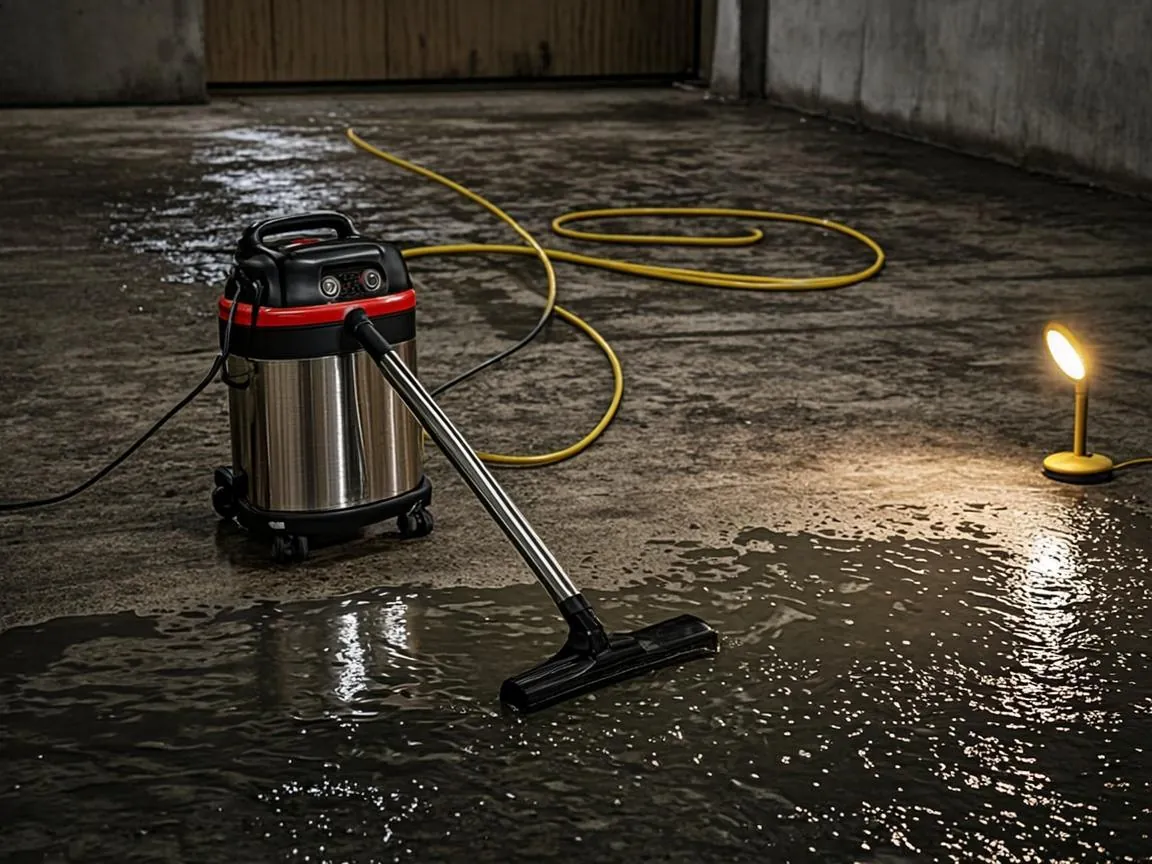
Sewage rising out of a floor drain changes the category of the problem. This is not clean water from a supply line — it is Category 3 water, the restoration industry's classification for grossly unsanitary liquid carrying bacteria, viruses, and parasites. Everything the first hour touches decides both the health exposure and how much of the loss the insurance policy absorbs. The order of operations below is deliberately specific, because the most common mistakes — flushing a toilet, running the washing machine, wading in to save boxes — all make the damage worse.
The First Ten Minutes: People, Power, Containment
- Clear the people. Children, pets, and anyone with a compromised immune system leave the area immediately. Raw sewage carries pathogens that enter through skin contact, inhalation of aerosols, and hand-to-mouth transfer.
- Kill power to the wet zone. If the panel is dry and accessible, shut off breakers for the affected circuits — outlets, appliances, and especially anything near standing water. If the panel itself is in the wet area, do not approach it; an electrician handles that.
- Stop adding water. No toilet flushes, no dishwasher cycles, no laundry, no showers. Every drop you send down any drain in a backed-up house arrives in the basement.
- Close the door. Containment limits aerosol spread and keeps pets out. If the smell is strong, leave a window cracked for ventilation from the far side of the space, not by walking through the spill.
Why This Is Not a Mop-and-Bleach Job
The instinct is a shop vac and a gallon of bleach, and for a few gallons on bare concrete that instinct is roughly right. The problem is that sewage rarely stays on bare concrete. It wicks up carpet and pad in minutes, soaks drywall a half-inch past the waterline, and fills the hollow channel behind every baseboard. Porous materials contaminated by Category 3 water are classified for removal, not cleaning, because disinfectant does not reach pathogens sealed inside them. Amateur cleanup that skips this reality leaves a dry-looking room with a living colony in the wall — the origin of the persistent musty odor and recurring illness complaints our crews are asked to fix months later.
Call Sequence: Sewer Crew First, Then Insurer
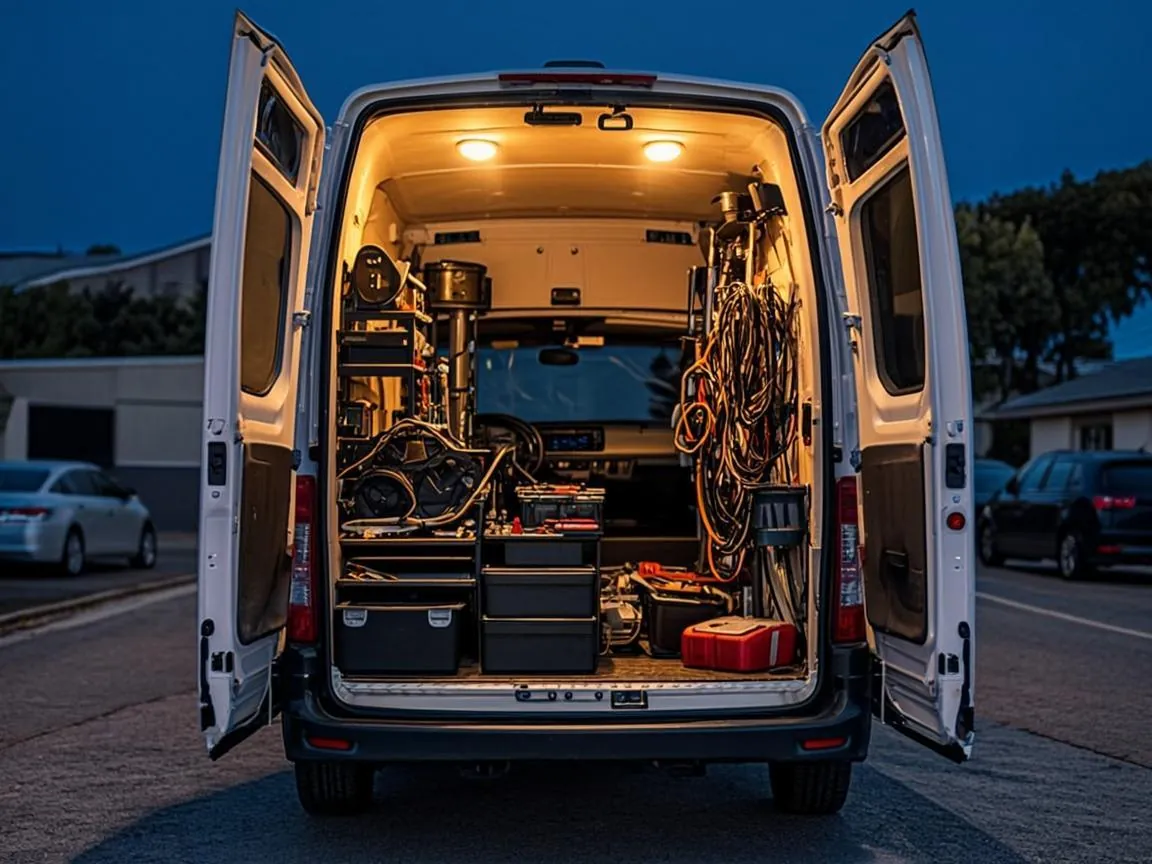
Two phone calls, in this order. First the sewer crew: stopping the source limits every downstream cost, and our 24/7 emergency sewer backup response dispatches a stocked truck any hour to clear the line and stop the flow. Second, the insurance company — opened while the truck is rolling, not after. Adjusters triage claims in arrival order, and early notice with good documentation moves a claim measurably faster. If you are unsure which side of the city line the problem sits on — your lateral versus the municipal main — our guide on who pays for sewer line repair in Beverly explains the boundary; the answer shapes both the repair bill and the claim.
Documentation That Protects the Claim
- Photograph everything before cleanup starts — standing water levels against walls, damaged contents, the drain it surfaced from.
- Shoot video walking the space, narrating what happened and when you discovered it.
- Keep every receipt — pumps, gloves, dehumidifier rentals, hotel if the house is unlivable, and the sewer company's invoice, which documents the cause.
- Write the timeline: discovery time, first call, arrival times. Memory degrades fast; adjusters love contemporaneous notes.
- Ask about the sewer backup rider if the answer comes back "not covered" — and schedule that conversation with your agent for next week, not never.
The Professional Cleanup and Repair Sequence
Professional remediation runs in a fixed order: extraction of standing liquid; removal and bagged disposal of contaminated porous materials; disinfection of every remaining surface; structural drying with dehumidifiers and air movers to verified moisture readings; and only then rebuilding. Ours adds the step that prevents the next emergency: a camera scope of the line that caused the event, so the repair addresses the reason — roots, grease, a belly, a collapsed section — and not just the water it produced. For the general first-response checklist that applies to any basement water event, our step-by-step basement backup guide covers the basics; this page is the one to keep for the raw-sewage version, where the biohazard rules change the playbook.
Quick Answers
Is sewage backup covered by homeowners insurance?
Standard policies usually cover sudden water damage but exclude sewer and drain backup unless a specific rider or endorsement was added. The rider is inexpensive relative to a Category 3 cleanup and is worth reviewing with your agent before the event, not after.
Can I clean up a sewage backup myself?
A spill of a few gallons on a hard, non-porous floor can be handled by a healthy adult with gloves, boots, eye protection, and proper disinfection. Anything that soaked into carpet, drywall, insulation, or finished surfaces is professional territory: those materials trap pathogens and usually need removal, not cleaning.
How long after a sewage backup is the area safe?
After professional extraction, removal of contaminated porous materials, disinfection, and verified structural drying — typically three to five days for an average basement. Air quality and moisture readings confirm when the space is truly safe for occupancy, not the calendar alone.
Sewage Surfacing Right Now? Call First, Read Later.
Live dispatch, 24/7. A stocked truck rolls from Cabot Street to stop the source, then a documented cleanup sequence your adjuster can work with.