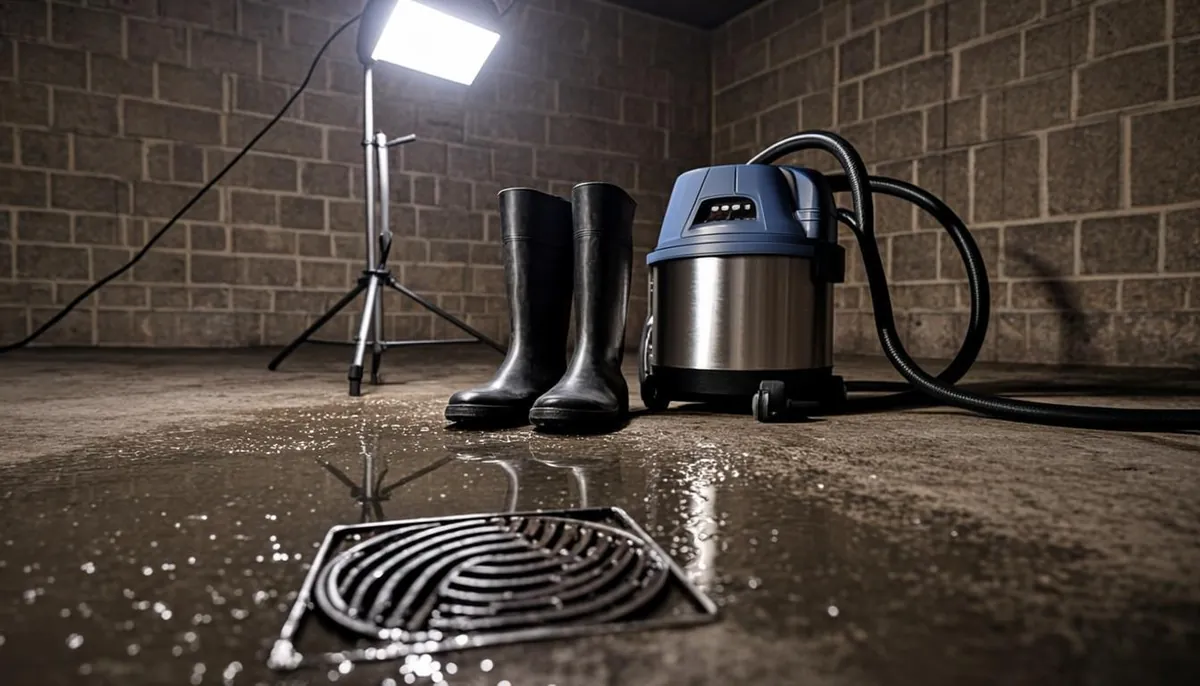
Sewage is coming up through the basement drain. Right now, the next ten minutes matter more than the next ten days, and the order of operations decides how big this gets: how much water, how much contamination, and how much of the cleanup is covered. Here is the sequence, in the order we would tell our own neighbors.
Step 1: Stop Sending Water Downstream
Every drop entering any drain in the house exits at the blockage, which is your basement floor. Stop using every toilet, sink, shower, dishwasher, and washing machine immediately. If the incoming surge is from a specific source (a toilet running over), close its supply valve. Nobody showers, nobody runs the laundry, nobody flushes until the line is cleared. This single step caps the size of the disaster more than anything else you can do.
Step 2: Keep People and Pets Out of the Water
Backup water is Category 3: it carries bacteria and pathogens from the whole sanitary system. Keep children and animals out of the affected area entirely, and if anyone has skin contact, wash with soap and clean water. Do not wade in to rescue boxes; anything porous that touched the water is usually a loss anyway, and the health risk is real.
Step 3: Relieve Outside If You Safely Can
Many homes have an exterior cleanout, a capped pipe somewhere in the yard near the foundation. If you know which cap it is and can open it by hand, opening it gives a blocked main somewhere to overflow besides your basement floor. If you are unsure which cap is which, skip this step; guessing at exterior plumbing in the dark is how a two-problem night becomes three.
Step 4: Photograph Everything Before Any Cleanup
Before moving a single towel, take wide shots of every affected room and close shots of the water line on walls, damaged property, and the fixture the water came from. Sewer backup claims live and die on documentation, and the ten minutes of photos before cleanup are the difference between a paid claim and an argument. Videos panning each room count double for showing depth and spread.
Step 5: Call, Then Ventilate
Call the emergency line while the scene is still documented. Describe what is backing up and from where; the dispatcher will start triage on the phone and roll a truck. While you wait, open basement windows or run ventilation if it is safe, and keep dehumidifiers OFF until cleanup begins (blowing contamination around helps nobody). If water is still rising when the crew is en route, keep everyone upstream of it.
After the Line Is Cleared
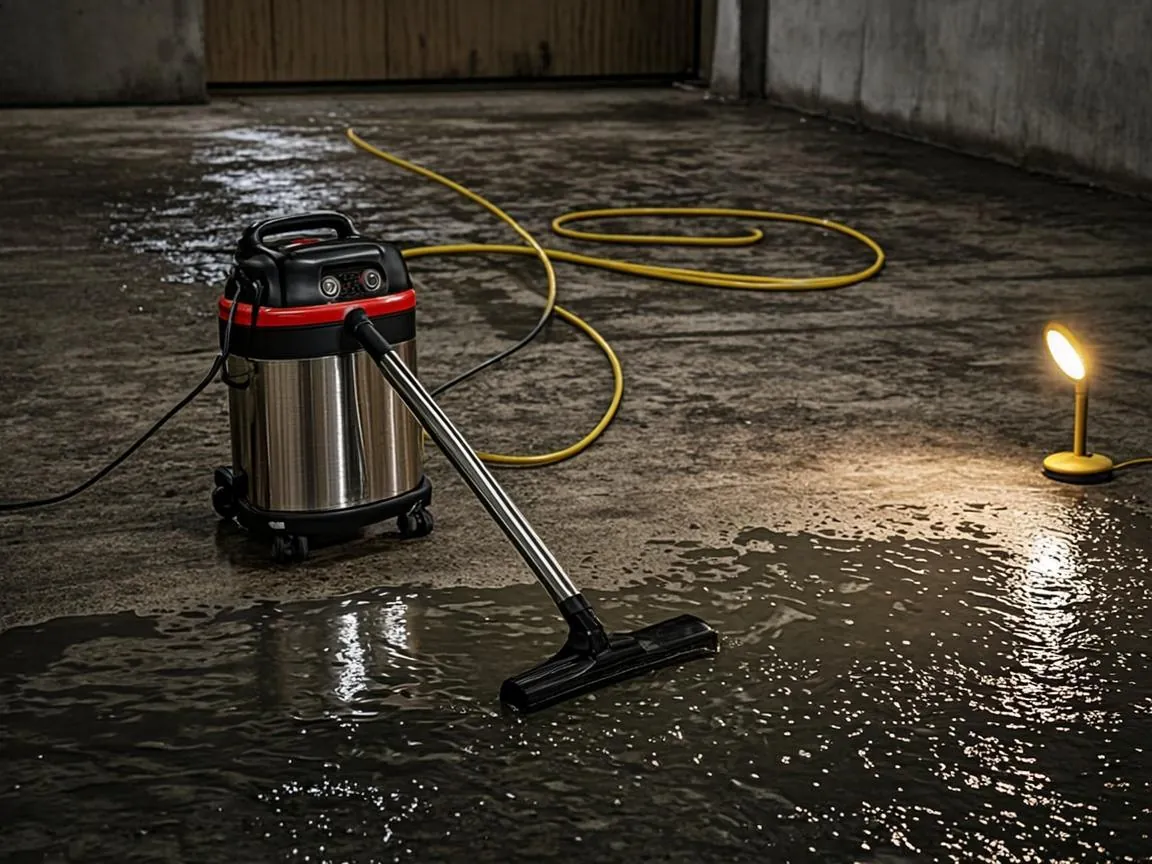
The crew will clear the blockage and camera the line to show you the cause, and that footage matters twice: once for the repair decision (roots? a cracked joint? grease?) and once for the insurer's file. Porous materials that sat in the water (carpet, cardboard, pressed-wood furniture) generally go; hard surfaces get disinfected. Anything electrical that was submerged stays off until an electrician blesses it. And before the season that caused it returns, ask for the prevention plan: a lined joint or a jetted line is a calendar entry, not a midnight ritual.
The Fast Reference
Stop water use, clear the area, relieve outside if known, photograph, call. When you make the call, the 24/7 emergency sewer backup crew answers live and dispatches from Cabot Street. Once the water stands down, a dedicated main sewer line clog removal visit clears the blockage at its source instead of just settling the basement. Afterward, the recorded camera inspection that documents the cause is the first step toward making sure it was the last backup.
Quick Answers
What is the first thing to do when the basement backs up?
Stop every drain and fixture in the house from sending more water down, then keep people and pets out of the contaminated water. Every minute of continued use enlarges the flood at the lowest point.
Will insurance cover a sewer backup?
Many homeowners policies cover sewer backup only with a specific endorsement, so coverage is a policy question for your carrier. What helps any claim is documentation: photos before cleanup, the crew's findings, and the camera footage of the cause.
Backup Happening Now? The 24/7 Line Answers.
Call (978) 286-4881 for a live dispatcher and a stocked truck. Line cleared, cause filmed, prevention priced.