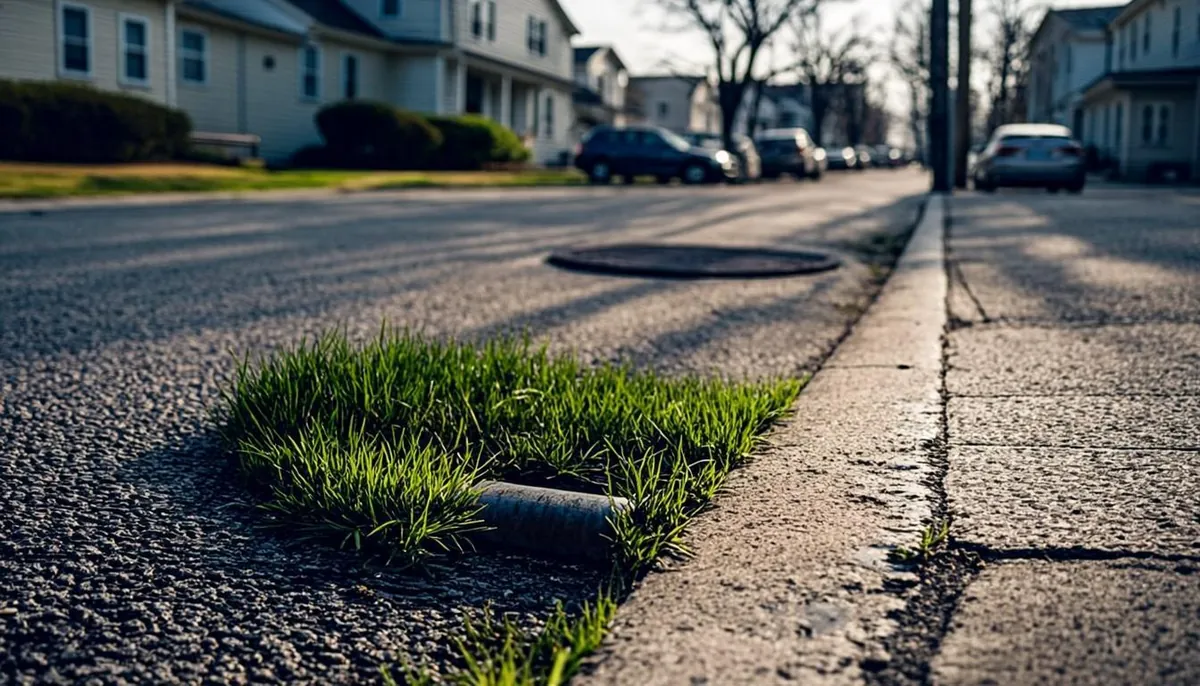
The sewer main under your street belongs to the City. The pipe from your house to that main belongs to you. Between those two sentences lies about twenty feet of lawn, a surprising number of arguments with the billing office, and one question this post answers completely: who pays when what fails?
The Line, Split at the Property Line
Beverly's ordinance is unusually plain about it. Chapter 227 states that "commencing at the sewer line, all sewer connections, sewers, sewer services and sewer maintenance shall be the responsibility of the property owner," and it assigns the City's Department of Public Services only what sits "between the main sewer line and street line." In practice: every foot of pipe from your foundation to the point it meets the public main in the street is your lateral, your system, and your invoice. The City maintains the main itself.
What That Means at 2 AM With a Backup
When wastewater floods the lowest fixture, the blockage could be in your lateral or in the City main, and the first move is figuring out which. Neighbors are the fastest diagnostic: if the house across the street is backing up too, the problem is probably in the shared main, which is the City's to clear. If yours is the only one, the lateral is the suspect and it is on you. A camera inspection settles it in an hour either way, and it shows exactly where your responsibility begins so nobody pays for the wrong hundred feet.
Permits: The Owner's Side of the Deal
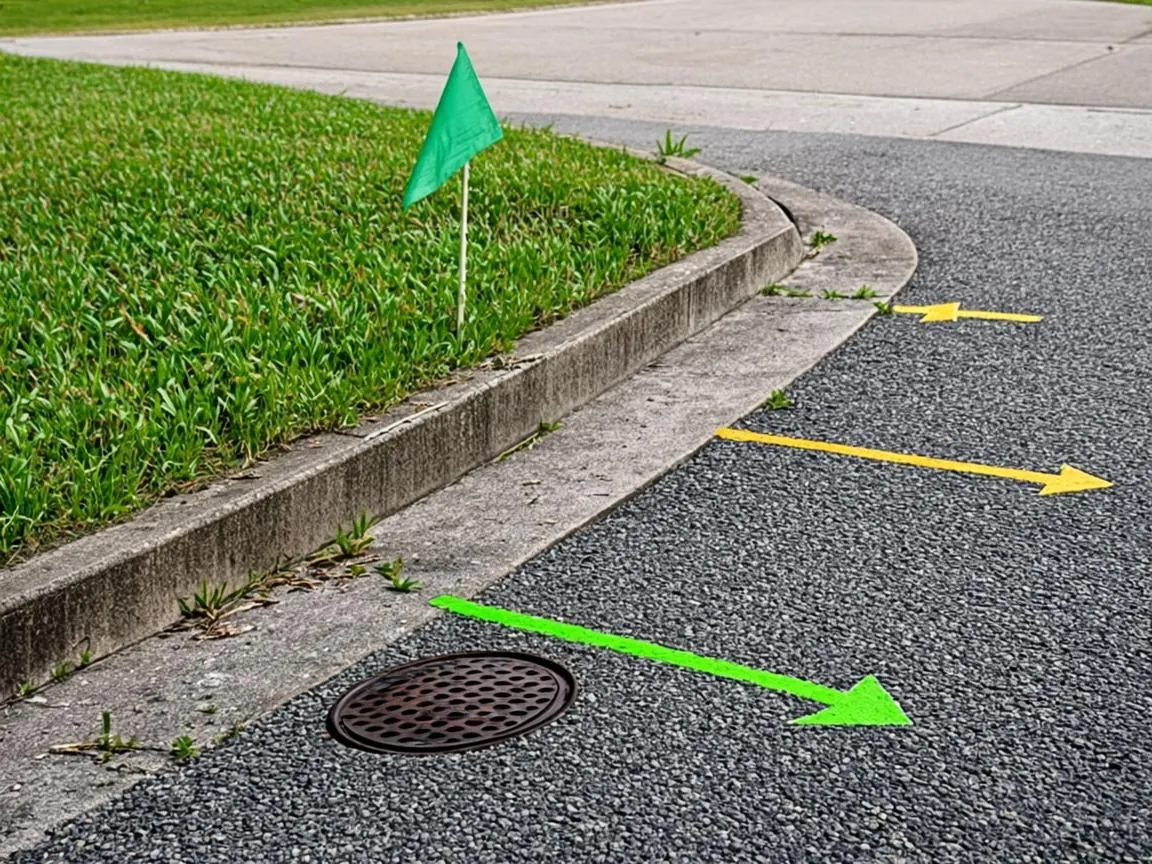
Ownership of the pipe comes with rules about touching it. Beverly's code requires a written permit before anyone uncovers, opens, alters, or disturbs a public sewer, and sewer connection work is licensed and inspected through the City's Engineering and Public Services side. Anything that digs in the street adds a street opening permit. And before any shovel goes in the ground anywhere, Massachusetts law requires a Dig Safe 811 ticket at least 72 hours ahead so every utility can mark its lines. On our jobs, all of that is filed by us; the piece owners should know is that unpermitted lateral work can create real trouble at resale and with the City later.
Who You Call, in Order
- Look across the street. Neighbors backing up too: call the City about the main. Only you: it is the lateral.
- Call a sewer specialist. A recorded camera inspection identifies the blockage and its location relative to the property line.
- Repair your side, report the other. If footage shows the defect across the line in the public main, the City is notified; your lateral still gets cleared to protect the house.
- Keep the footage. The recording is your evidence of where the failure sat if anyone's account of the repair bill is ever questioned.
More detail on how the diagnostic works, and what it costs, is on our main line video locating and camera inspection page, where the same sonde that measures depth also maps the lateral's full path across the property before anyone digs, builds, or plants over it. And if the answer turns out to be an active backup right now, the 24/7 emergency crew answers before the paperwork matters.
Quick Answers
Is the homeowner responsible for the sewer lateral in Beverly?
Yes. Beverly's sewer ordinance assigns the property owner all connections, sewers, services, and maintenance commencing at the sewer line, which covers the run from the building to the public main. The City maintains the main itself.
What if the blockage is in the city main, not my lateral?
Public main problems belong to the City's Department of Public Services. Neighbors backing up simultaneously is the classic sign, and a camera inspection documents whether the defect sits beyond your property line so the report goes to the right party.
Not Sure Whose Pipe Is Failing? Camera It.
An hour of footage shows exactly where your responsibility starts. Recorded, depth-marked, and yours to keep.