Every spring in Essex County, a homeowner sets the first post for a new fence, a contractor excavates footings for a patio, or an excavator starts digging out a pool kit — and thirty seconds later the hole fills with everything the household has flushed that morning. The building sewer ran exactly through the dig zone, and nobody knew. These strikes are entirely preventable for the price of a single locating visit, but almost nobody thinks to book one, because the most common question people ask — "isn't the utility company supposed to mark everything?" — has the wrong answer baked into it.
What Is Buried Under a Typical Beverly Lot
A standard single-family lateral leaves the house below the basement or crawlspace plumbing, crosses the yard at a shallow grade toward the street, and joins the city main at a tap that may sit anywhere from two to six-plus feet down. Along the way it usually bends at least twice to dodge obstacles the original mason had to work around — a stone wall footing, an old shade tree, the neighbor's well that stopped being used in 1954. None of this is on any map you own. City records typically show the tap location and nothing about the route between the tap and your foundation, because the lateral was always private construction.
The Real Cost of Striking Your Own Sewer
A struck lateral is not like a nicked irrigation line. An excavator tooth that cracks a clay barrel or crushes a cast iron section turns a landscaping project into an emergency repair: the dig stops, the trench fills with wastewater, and the house cannot be used normally until the line is fixed. Repair bills for this exact scenario land between $4,000 and $12,000 depending on depth and how much of the run took damage, and none of it was budgeted. There is also the schedule cost — the patio that was supposed to host a July cookout becomes a fenced-off excavation while permits and inspections process. Our emergency page on sewer backup response exists because strikes and collapses do not wait for business hours.
Dig Safe 811 Marks Public Utilities — Not Yours
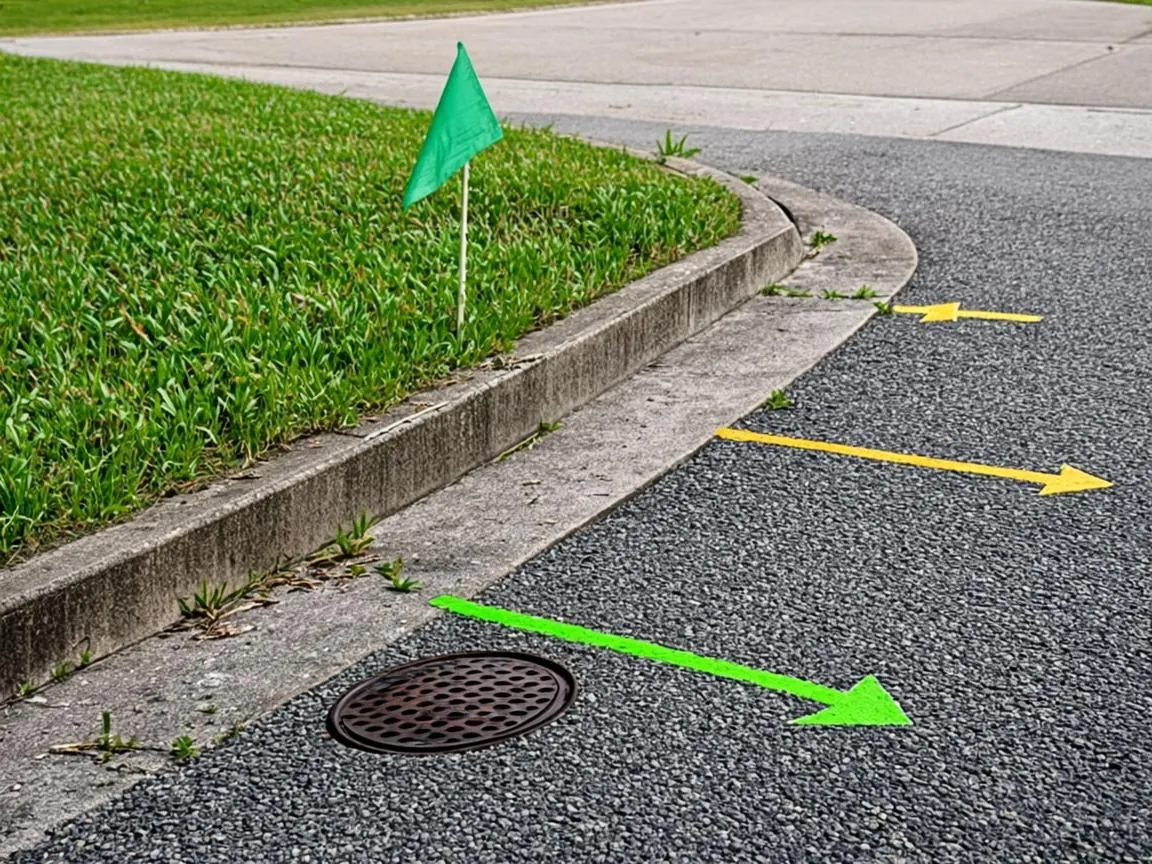
This is the misconception that causes the strikes. Filing a Dig Safe ticket, as Massachusetts law requires at least 72 hours before any mechanized digging, gets the utility providers to mark their own infrastructure: gas, electric, telecom, water, and the municipal sewer main under the street. The building sewer — the pipe from your house to that main — is private, and no state program will mark it for you. So the crew shows up, sprays a neat set of colored lines near the curb, and the homeowner reasonably concludes the yard is clear. It is not. The most dangerous pipe on the property is precisely the one nobody painted. Our full guide to Beverly permits and Dig Safe rules walks through the whole compliance sequence for projects that do involve excavation.
The Mapping Visit: Sixty to Ninety Minutes
A private pipe locate closes that gap with electronics rather than shovels. A camera with a built-in radio sonde travels the lateral from the cleanout while a surface receiver traces its signal, painting the pipe's exact path across the property and logging depth at regular intervals. Bend points, the city tap, and any cleanouts all get marked and flagged. The result is a property map of the sewer line accurate to within centimeters — the deliverable our main line video locating and mapping service produces — along with the camera footage that shows whether the pipe is actually in good shape before you pour anything permanent over it.
Build With the Map in Hand
- Reposition before you design. Moving a pool layout or garden bed by eight feet costs nothing on paper and everything if it avoids the pipe.
- Design footings around depth. Where the line must be crossed, screw piles, grade beams, or bridged slabs keep loads off the pipe.
- Keep access to cleanouts. A patio over a cleanout needs an access box, or the next clog becomes a saw-cut job.
- Keep the map with the deed papers. The next owner, contractor, or landscaper inherits the knowledge instead of the accident.
One locating visit before the first machine rolls costs a few hundred dollars and eliminates the single most expensive surprise a landscaping season can produce. If you are planning additions, pool work, or major grading this year, send us the project drawings and we will mark the line against them before groundbreaking.
Quick Answers
Does Dig Safe 811 mark my private sewer line?
No. Dig Safe marks utilities owned by the providers — gas, electric, water, telephone, and the city main in the street. The building sewer from your house to the main is private property, and marking it is your responsibility. That gap is exactly what a private pipe locate fills.
How deep are sewer lines buried in Massachusetts?
Building laterals around Essex County typically sit two to six feet deep, with older neighborhoods often at the shallow end and lines that cross regraded streets running deeper. Frost protection is the reason for the depth, and the only way to know your specific line is to measure it with a sonde locate.
Can I pour a patio or build over my sewer line?
You can in many cases, but the design has to respect the pipe: screw piles or bridged slabs instead of deep footings, and cleanout access kept reachable. Mapping first turns those decisions into choices instead of accidents.
Breaking Ground This Season?
Map the lateral before the excavator arrives. Painted mark-out, depth log, and camera footage in one visit — flat rate, no damage, no surprises.