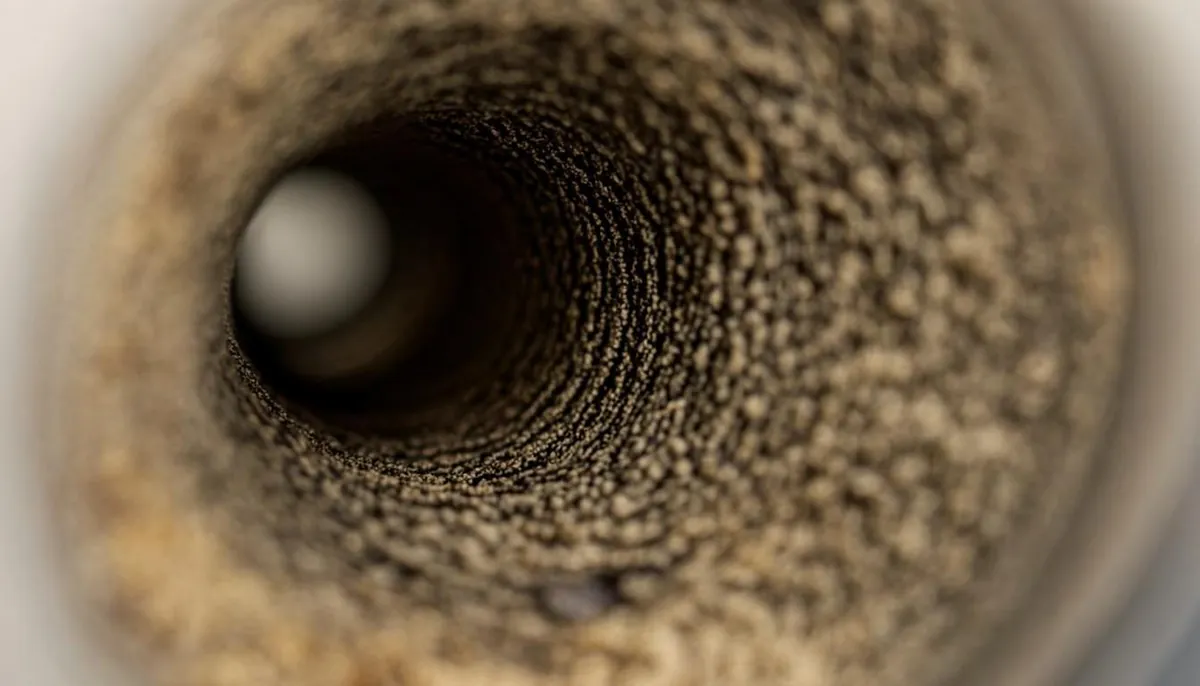
Most catastrophic main line backups do not start with a dramatic event. They start with Tuesday night's pasta water. Fats, oils, and grease (the trade calls it FOG) leave the kitchen as a liquid and become a pipe-filling solid somewhere between your sink and the street. Here is the chemistry, the timeline, and the maintenance habit that keeps it from becoming your emergency.
Why Liquid Grease Becomes a Solid Wall
Rendered fat leaves the pan warm and flowing. Inside the pipe, it cools against the walls and sticks there as a soft film. Every subsequent pour adds a layer. The film then behaves like flypaper for everything else in the wastewater stream: food particles, soap scum, coffee grounds. Over months the soft film hardens into a waxy crust that narrows the channel, and the narrowing accelerates buildup the way cholesterol narrows an artery. The end state is a pipe running at a fraction of its diameter, waiting for one heavy dinner to finish the job.
Why Kitchen Lines Suffer Most
Kitchen runs are usually smaller in diameter than the main they feed, warmer than their surroundings (which keeps early grease mobile further down the pipe), and carrying the richest load in the house. dishwashers make it worse by adding detergent emulsifiers that carry liquefied fat past the trap instead of catching it. In multi-story homes, the kitchen line often merges with laundry discharge partway down, and lint meets grease at exactly the wrong place.
The Prevention Playbook
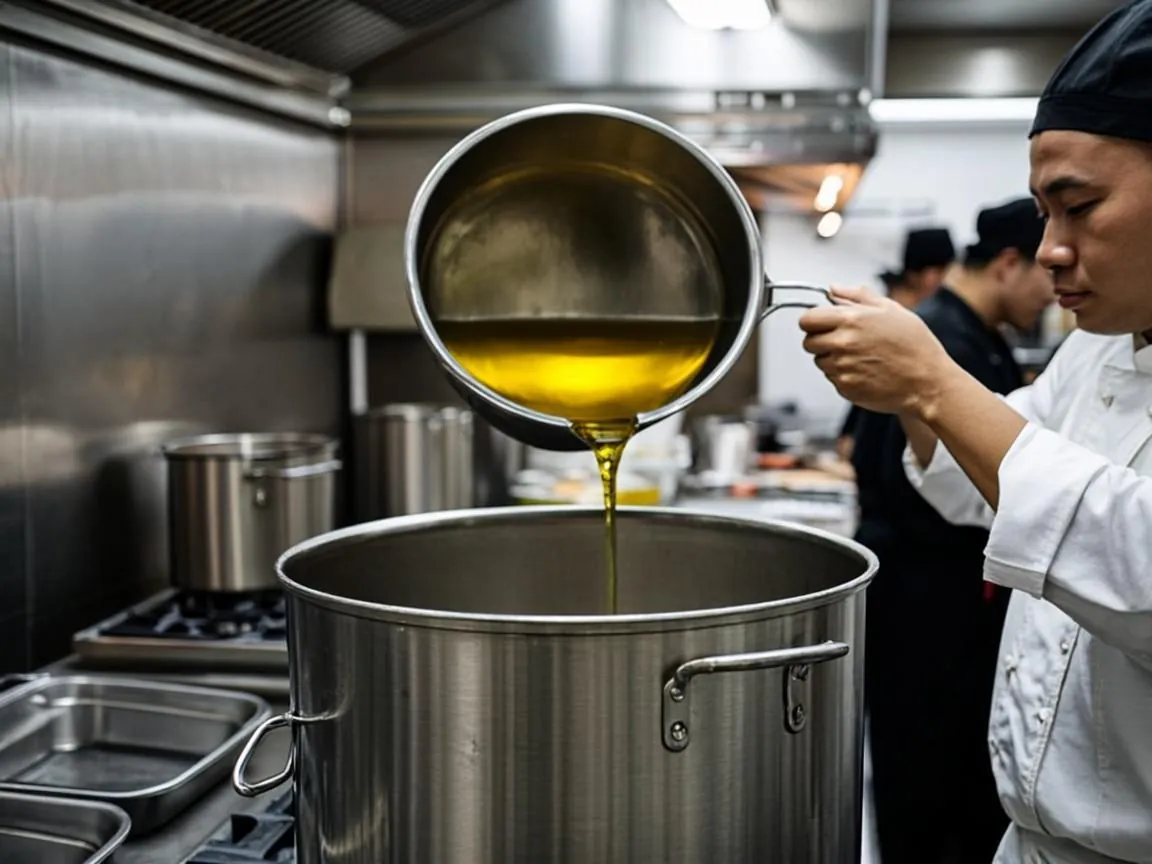
- Collect, do not pour. Cool pan grease in a can and bin it. Wipe greasy pans with a paper towel before washing. The wipe catches more than people expect.
- Mind the hidden FOG. Salad oil, butter, cream sauces, bacon fat, and meat drippings all count. So does "rinse the marinara pot with hot water," which just moves the problem downstream where it cools.
- Run the dishwasher full, not pre-rinsed. Modern detergent works better on real soil, and less warm greasy water enters the pipe per cycle.
- Jet before the holiday season. For households that cook big, an annual or pre-holiday jetting clears the year's accumulation while it is still soft enough to remove cheaply.
When the Line Is Already Choking
Symptoms arrive in order: the kitchen drains slowly first, then the gurgle starts, then the lowest fixture backs up. If you are at the slow stage, a camera inspection shows how much wall the FOG is occupying and whether jetting or snaking is the proportionate fix; our main line clearing service is built exactly for grease-loaded lines, since the jet strips the coating a cable would leave behind. Restaurant lines and kitchens that fight grease every week have a dedicated commercial grease trap and line jetting service for scheduled FOG removal before it hardens into a blockage. If you are past that and wastewater is coming up, stop reading and call the 24/7 emergency crew: grease backups flood the lowest level of the house and every minute of water use adds to the flood.
Quick Answers
Does hot water and dish soap dissolve grease clogs?
Not in the pipe. The emulsion re-solidifies a few feet downstream where the pipe is cold, which is why the clog returns and often moves deeper. Mechanical removal by jetting is the reliable fix.
How often should kitchen lines be jetted for grease?
Heavy-cooking households do well with an annual or pre-holiday jetting; commercial kitchens run on a scheduled cycle. The camera inspection at the visit shows how fast your specific line accumulates.
Kitchen Line Dragging? Strip the Grease Out.
Jetting removes the FOG wall a snake leaves behind. Same-day slots and footage of the clean pipe after.